Case Study
Heroes MAKE America
Heroes MAKE America (HMA) is a program run by The Manufacturing Institute (part of the National Association of Manufacturers). It targets the military-connected community—transitioning service members, veterans, National Guard and Reserve members, and military spouses—with the goal of helping them move into manufacturing careers.
Background
Heroes MAKE America (HMA) is a program run by The Manufacturing Institute (part of the National Association of Manufacturers). It targets the military-connected community—transitioning service members, veterans, National Guard and Reserve members, and military spouses—with the goal of helping them move into manufacturing careers.
Intervention
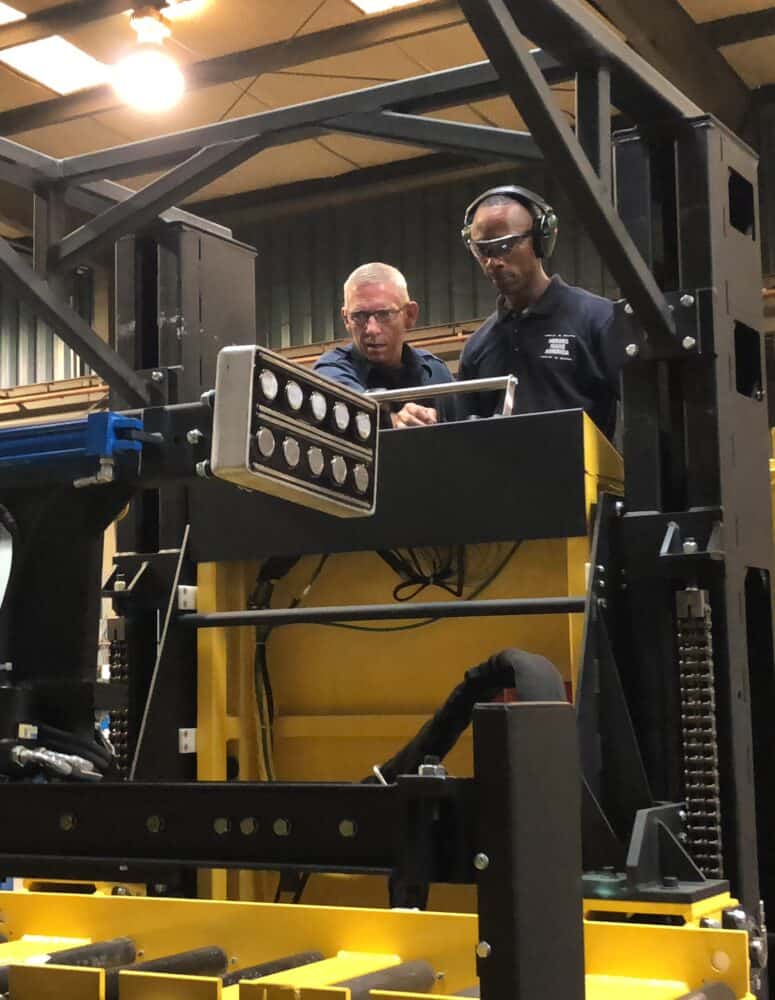
HMA offers integrated certification and career-readiness training in collaboration with local community colleges. The training includes both technical manufacturing credentials and preparation for civilian job processes (resume writing, interviewing, translating military skills into civilian equivalents).
Part of the program also involves issuing digital badges or credentials that allow veterans or service members to articulate their military-acquired skills in ways employers recognize. In some cases, HMA has expanded into specific sector-focused training, such as an aviation “Airframe & Powerplant (A&P)” prep course in Wichita, Kansas.
Outcomes / Impacts:
Lessons Learned: