

Workforce Needs
Defense Manufacturing Assets
To understand the defense workforce landscape, you need a clear view of the federal assets behind it. The programs below offer insight into the DoD’s current priorities, investments, and partnerships, helping workforce and education leaders stay aligned with industry needs.
The U.S. Department of Defense (DoD) maintains a robust ecosystem of internal assets, including DoD-managed programs and funding, and external assets, such as partnerships with civilian entities and industry collaborations, to advance and reinforce the defense industrial base, manufacturing capacity, and the skilled workforce that sustains them.
As workforce development and education professionals, awareness of these assets is critical to understanding:
- What technical areas the DoD is prioritizing (impacting local training and education programs.
- What industries DoD is funding, so you can shape the talent pipelines to match.
Below are some of the DoD assets that workforce and education professionals should be familiar with.
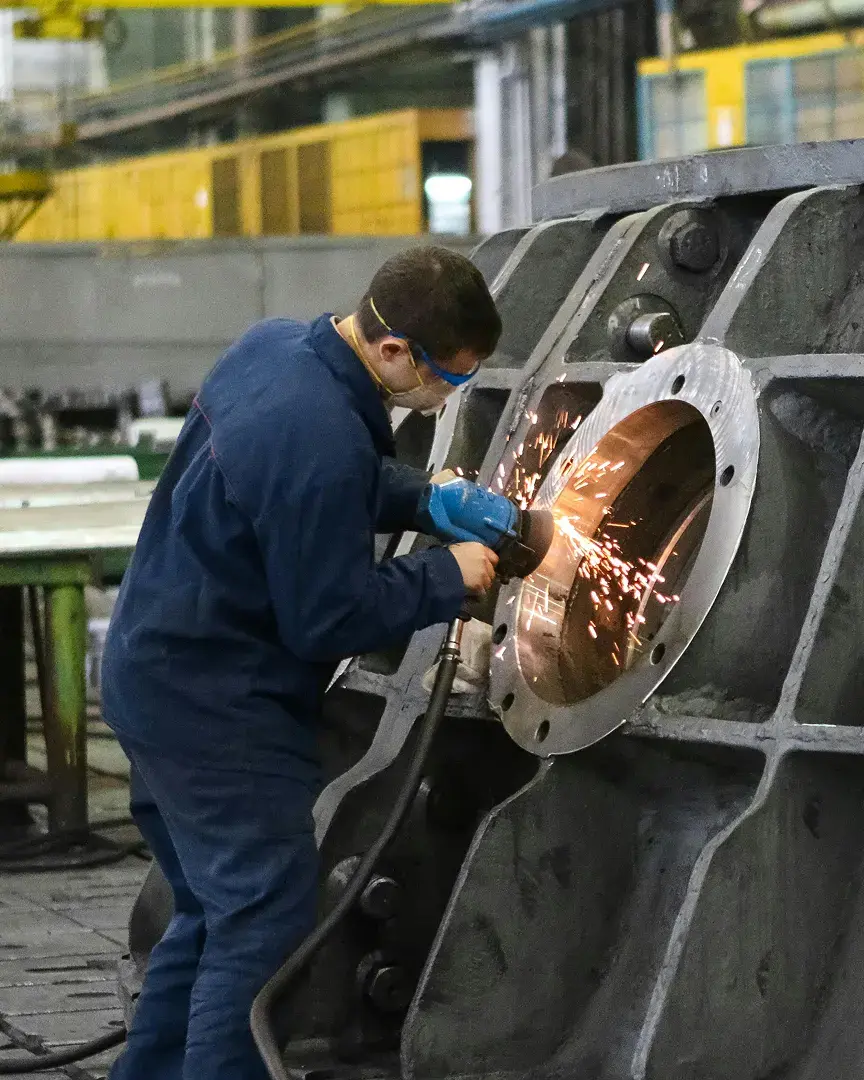

The Department of Defense (DoD) Industrial Base Analysis and Sustainment (IBAS) program is a key initiative managed by the Innovation Capability and Modernization (ICAM) office within Industrial Base Policy. Its primary mission is to strengthen the resilience, competitiveness, and readiness of the U.S. defense industrial base (DIB) by identifying vulnerabilities, mitigating supply chain risks, and investing in critical domestic capabilities to support national security and the warfighter.
Current focus areas include:
- Workforce
- Microelectronics, Energy Storage, and Batteries
- Kinetic Weapons
- Castings and Forgings
- Critical Minerals

Frequently, the Department of Defense will fund workforce development projects related to defense manufacturing through the Office of Local Defense Community Cooperation (OLDCC). This office provides technical and financial assistance (grants) to states and communities to enhance the capabilities and readiness of our national defense mission. OLDCC serves as DoD’s primary mechanism for fostering collaboration between military installations and surrounding state, local, tribal, and territorial communities to enhance national security, installation readiness, and resiliency.
Specifically, OLDCC can provide assistance to state and local governments in planning economic diversification required by “the cancellation or termination of a Department of defense contract or failure to proceed with an approved major weapon system program,” or by “the closure of significantly reduced operations of a defense facility as the result of the merger, acquisition, or consolidation of the defense contractor operating the defense facility.”
The Department of Defense’s Manufacturing Technology office (ManTech) develops, matures, and transitions advanced manufacturing technologies and processes to improve the affordability, timeliness, and performance of U.S. defense systems. A stated priority of this office is building a “skilled advanced manufacturing workforce that is prepared to meet the needs of an advanced technology-enabled manufacturing sector.”
ManTech’s customer base is the military services. However, as workforce development professionals, keeping abreast of this office’s priorities and investments makes sense, because they are a leading indicator of where the DoD’s overall manufacturing and workforce investment will move. ManTech also oversees DoD’s affiliated Manufacturing Innovation Institutes (see below).
Manufacturing Innovation Institutes (MII)
Manufacturing Innovation Institutes (MIIs) are public-private partnerships sponsored by the U.S. federal government to accelerate advanced manufacturing in the United States. They are the core program of Manufacturing USA created in 2014.
MIIs actively collaborate with local industry – small, medium and large companies to:
- Close the gap between R&D and commercial production
- Develop and scale emerging technologies that are too risky or expensive for any single company to tackle alone
- Build workforce training programs that companies, universities, and startups can use
- Strengthen U.S. supply chains and national security by keeping critical manufacturing capabilities domestic
DoD Consortia
The Department of Defense (DoD) consortia are strategic collaborations between the U.S. government and industry partners, including contractors, small businesses, academia, and non-traditional innovators. These groups aim to bolster the defense industrial base (DIB)—the network of manufacturers and suppliers critical to national security—while accelerating the development and adoption of cutting-edge technologies.
Unlike traditional federal acquisition contracts, these consortia operate under Other Transaction Authority (OTA) agreements. OTAs provide flexible, streamlined contracting mechanisms that focus on high-priority areas like supply chain resilience, advanced manufacturing, and emerging technologies.
There are currently more than 20 active DoD consortia, spanning diverse technology domains like aviation, cybersecurity, energy storage, medical countermeasures, and undersea warfare. For a complete list and focus areas, visit the AiDA Existing OTA Consortia page.
For professionals in defense manufacturing and workforce development, the DIBC, sponsored by the DoD’s Manufacturing, Capability Expansion, and Investment Prioritization (MCEIP) office, stands out as the most relevant consortium.