
Pattern Left

Local Relevance

Why Local Defense Manufacturing Matters Now More Than Ever

Defense manufacturing creates high-skill, high-wage jobs that keep people in the community. What’s different now is the speed: new tools and processes are showing up on shop floors in months, not years. Communities that organize training quickly will place more residents into better jobs.

Automation

What’s changing on the shop floor?

Companies are adding:

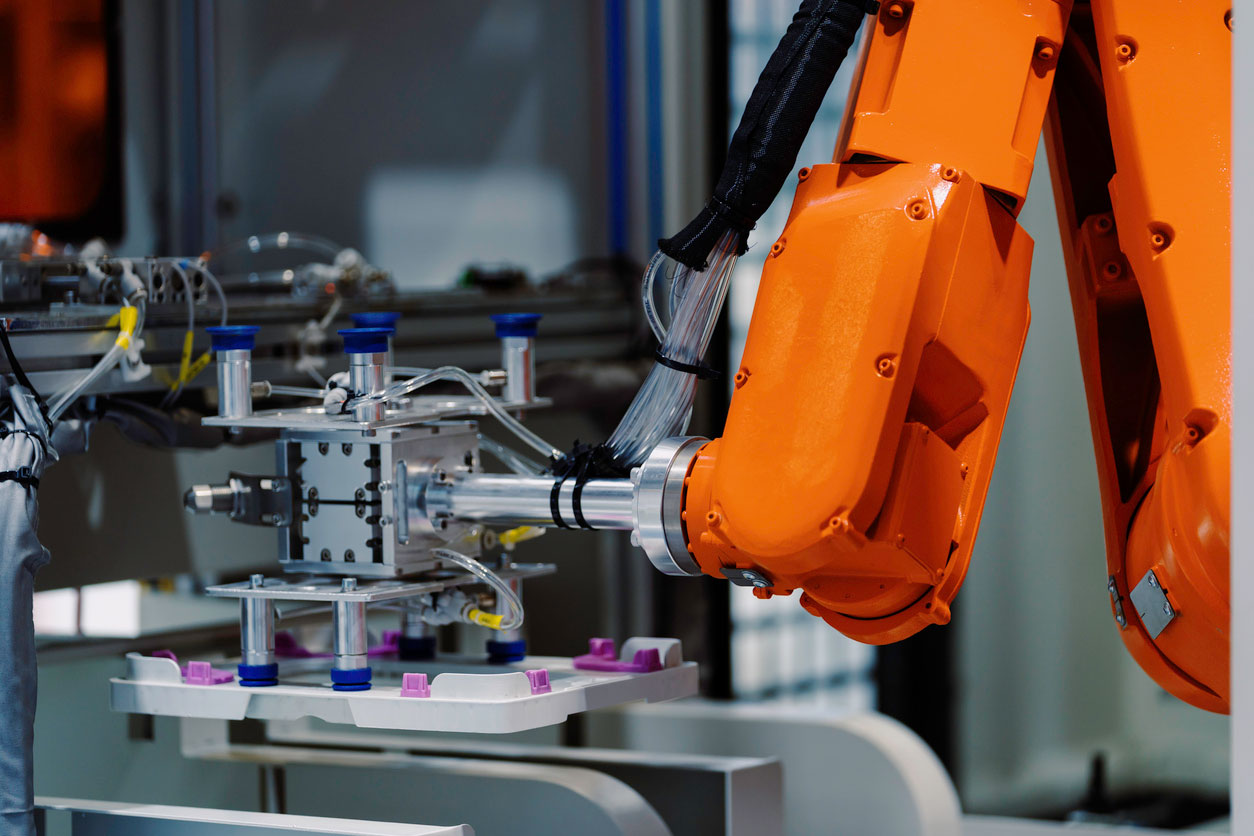
  • Advanced machines and automation that need setup, monitoring, and basic programming.
  • 3D printing (additive manufacturing) for parts and fixtures.
  • Modern materials (like advanced composites) that require new handling and curing steps.
  • Digital production: techs read computerized work instructions, collect measurements, and enter results into simple software.

Real-world speed examples:

  • 3D-printed replacement parts that used to take months can now be made, checked, and installed in days.
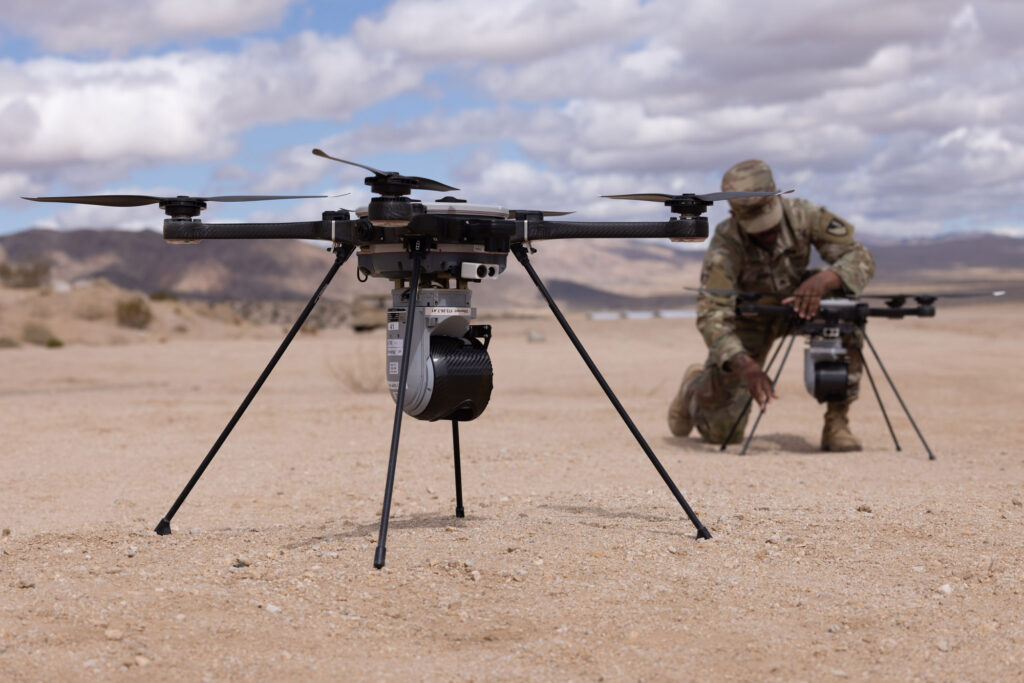
  • Small drone makers are doubling production quarter-to-quarter, retooling lines and updating test steps as designs improve.
  • Composite parts for aircraft and vehicles are switching to new methods mid-program, with workers retrained on the line.
Drone

Where the jobs are (and how they grow):
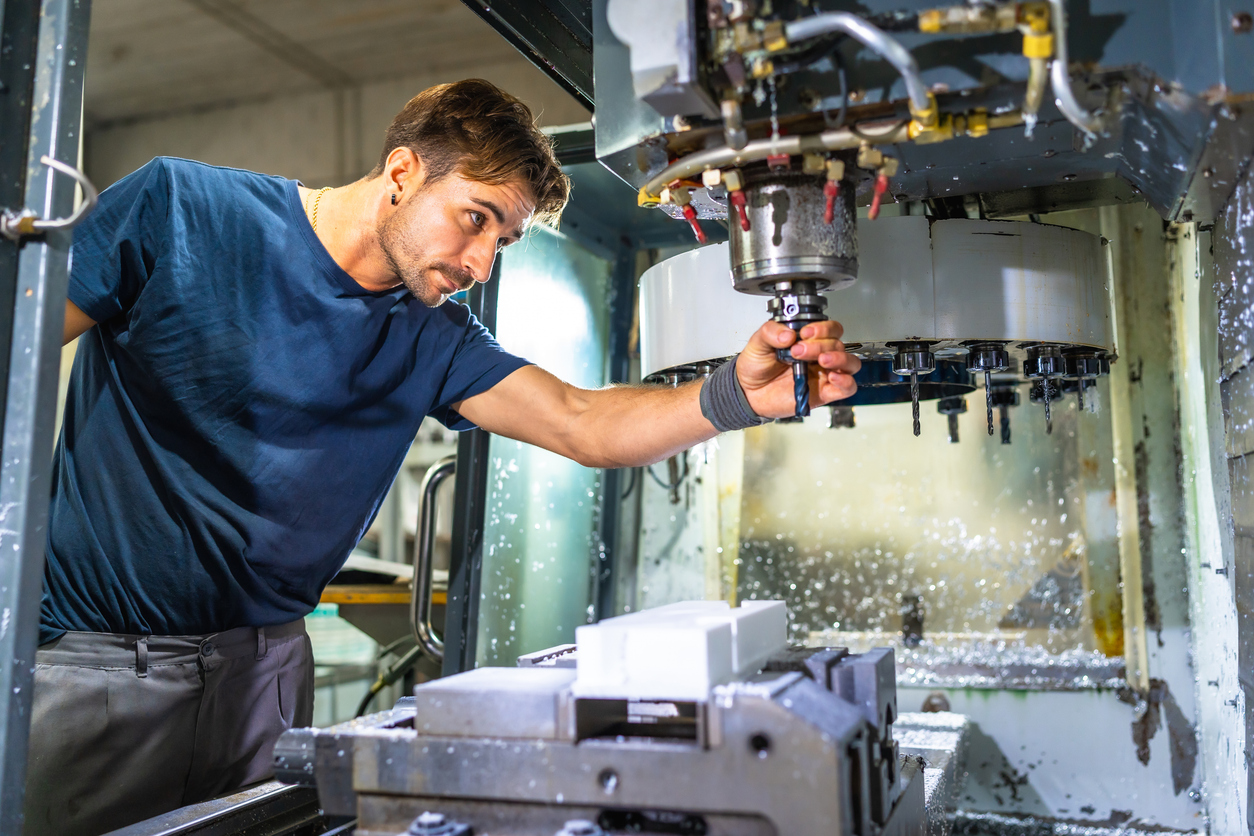
  • Hands-on roles: machine operators, CNC and automation techs, 3D-printing techs, composite layup techs, electronics assembly, quality inspection, maintenance, and production IT support.
  • On-ramps: entry-level operators, assemblers, and materials handlers who can stack short credentials to move into technician roles.
Technician working with mechanic machine to produce plastic parts

A day in the life (technician): review a digital job sheet, check that a machine is ready, run a precise operation or print, measure and record results, and—because things are moving fast—adapt to a new instruction released this week. With the right partners, this is all trainable locally.

What This Means for Workforce Professionals

  • Prioritize short programs in automation, machining, 3D printing, composites, quality checks, and safe digital practices.
  • Use earn-and-learn and stackable credentials so learners can advance quickly.
  • Build a 30/60/90-day skills update loop with nearby employers so classes track real demand.

Make It Local: Turning National Priorities into Community Action

Defense work looks different by region—shipbuilding in coastal areas, aerospace in the South, electronics in the Midwest, munitions in legacy hubs, and growing corridors for drones and high-speed flight. Your task is to connect local employers and training providers to what’s most relevant in your area and move quickly.

How to localize it fast:
  • Inventory local employers, programs, labs, and the roles they hire.
  • Pick one pathway to start (e.g., 3D-printing tech, composites tech, digital CNC operator).
  • Form a small regional coalition (employers, community college, workforce board, economic development) with hiring commitments and a shared skills list.
  • Pilot → measure → scale on a 90-day cycle.
Video (1)

Fast models you can copy:

  • 3D-printing for repair: qualify simple parts for local sustainment lines.
  • Drone assembly and test: upskill electronics assemblers in one semester to add basic testing and documentation.
  • Composite “skills sprints”: train layup and curing on new materials between production blocks.

Why recruiting frontline workers is different here: People can serve national security, work with cutting-edge tools, and earn family-sustaining wages—without leaving home. Lead with that message.

What This Means for You

  • Convene a defense workforce coalition and set one 12-month target (e.g., 60 new entry-to-tech placements).
  • Align proposals to state/federal funding tied to defense and advanced manufacturing.
  • Tell people-first stories—graduates, veterans, and career-changers moving up.